Topraktan Tescile Uzanan Bir Başarı Hikayesi
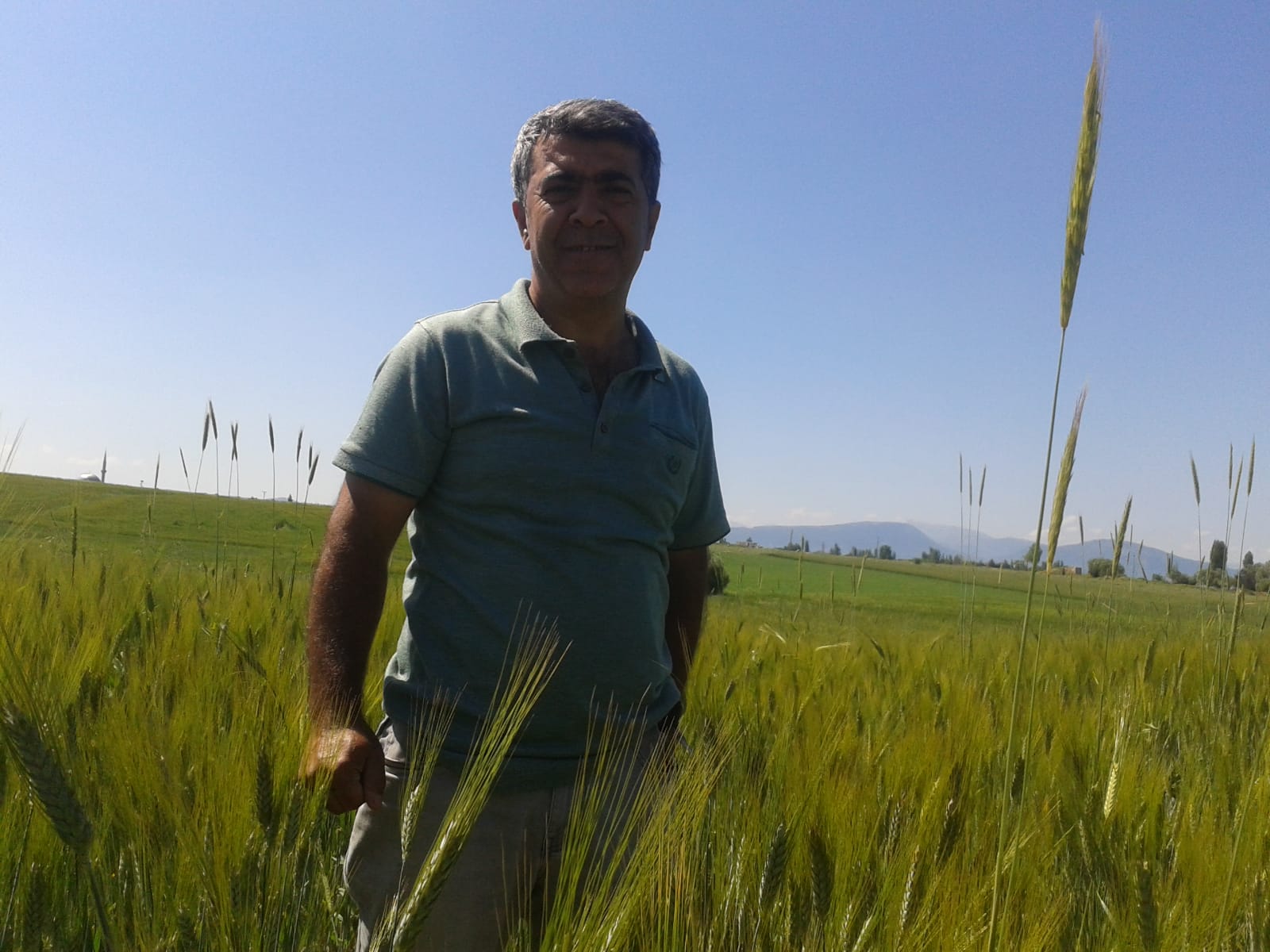
Toros Dağları’nın eteklerinde, 1230 rakımlı Çetmi Mahallesi’nde doğan Akçabelen fasulyesi; doğanın, emeğin ve geleneğin birleştiği özel bir ürün… Yüzyılı aşkın süredir atadan kalma tohumlarla üretilen bu fasulye, bugün coğrafi işaretiyle tescillenmiş, Slow Food Lezzet Gemisi’ne adını yazdırmış bir marka haline geldi. Beyşehir Tarım ve Orman Müdürlüğü’nde Ziraat Mühendisi Sayın İsmail Ünüvar, hem bu özel ürünün tescil sürecini hem de kadın üreticilerin emeğiyle şekillenen üretim modelini La Recolte Du Monde’a anlattı.
“Coğrafi işaretle birlikte yaklaşık 10 ülkeye ihraç edilen Akçabelen fasulyesi, Anadolu’nun tohum mirasının korunması adına örnek bir başarı hikayesi olarak öne çıkıyor.”
Sayın İsmail Bey, öncelikle Akçabelen bölgesini ve tarımsal yapısını sizden dinleyebilir miyiz? Bu topraklar tarım açısından ne tür özellikler taşıyor?
Öncelikle belirtmek isterim ki, Akçabelen Mahallesi’nin ismi artık Çetmi olarak geçmektedir. Çetmi, 1230 rakımda yer alan, Toros Dağları’nın eteklerindeki bir geçit bölgesidir. Topraklarımız fosfor, potasyum ve organik madde açısından zengin olduğu için ürün kalitesine doğrudan katkı sağlar. Ayrıca yüksek rakım sayesinde, özellikle dane dolum döneminde akşam saatlerinde esen rüzgarlar da fasulyenin olgunlaşmasında önemli bir rol oynar.
Akçabelen fasulyesi bölge halkı için ne ifade ediyor? Tarımsal üretimin yanı sıra kültürel olarak da bir değeri var diyebilir miyiz?
Akçabelen fasulyesi 80-100 yıldan fazla süredir üretilen, atadan kalma bir mirastır. Yerel bir çeşit olup tohumu hiç değişmemiştir. Bizim için sadece bir tarım ürünü değil, aileden biri gibidir. Üretim zahmetlidir; ekimden hasada kadar hemen her aşama el emeğiyle yapılır. Üreticilerimiz fasulyeyi bir bebek gibi özenle yetiştirir.
Coğrafi işaret alma fikri nasıl doğdu?
Atadan kalma genetik yapısı bozulmamış bu ürünün hak ettiği değeri bulamaması bizi harekete geçirdi. Çetmi’de üretim küçük ölçekli arazilerde, büyük emeklerle yürütülüyordu. Ben bir ziraat mühendisiyim ve ürünümüzün hem coğrafi işaret şartlarına uygunluğunu hem de ticari potansiyelini bildiğim için bu süreci başlattım. Amacımız, ürünün tanınırlığını artırmak ve üreticinin emeğini değerli kılmaktı.
Akçabelen fasulyesini diğerlerinden ayıran özellikler nelerdir?
En önemli fark, üretimde hâlâ geleneksel yöntemlerin korunuyor olmasıdır. Ekim, çapalama ve hasat, kadın üreticilerimizin elleriyle yapılır. Hayvan gücüyle toprağa tohum atılır. Yani tüm süreç doğaya saygılı, geleneksel bir döngü içinde ilerler.
Bu süreçte ne tür zorluklarla karşılaştınız?
En büyük zorluk, ürünün kalitesini bilimsel olarak belgelendirmek oldu. Üniversitelerden kimyasal ve duyusal testlerle bu farkı ispatlamak zaman aldı. Ancak yöre halkı çok istekliydi. Eğitimlerle üretimde verim ve kalite artışı sağladık. Dolayısıyla süreci birlikte sahiplenerek başardık, diyebilirim.
Akçabelen fasulyesi nasıl bir üretim modeliyle yetiştiriliyor?
Tamamen yerel tohumlarla üretim yapılıyor. Üretim modeli geleneksel: tohumlar kadınların elleriyle toprağa atılıyor, çapalama ve hasat yine el işçiliğiyle gerçekleştiriliyor.
Verim ve kaliteyi korumak adına hangi yöntemleri kullanıyorsunuz?
Kimyasal gübrelerden mümkün olduğunca uzak duruyoruz. Bunun yerine mikrobiyal kaynaklı yeni nesil gübreler kullanıyoruz.
İklim değişikliği üretimi nasıl etkiliyor?
Kuraklık son yıllarda ciddi bir sorun. Baraj suyuyla kapalı sistem sulama yapıyoruz, ancak su azaldığında üreticiler kendi kuyularını paylaşarak üretime devam ediyor. En azından tohumu koruyacak kadar üretim yapmayı sürdürüyoruz.
Kooperatif bu süreçte nasıl bir rol üstlendi?
Kooperatif olarak üreticilere eleme, ayıklama ve paketleme desteği sağladık. Ayrıca Birleşmiş Milletler UNDP-SGP Çevre Fonu kapsamında hazırladığımız projeyle ürünümüzün tanınırlığını artırdık. Coğrafi işaret tescilinden sonra 10 ülkeye ihracat yaptık.
Üreticilere ne tür destekler veriyorsunuz?
Maddi desteğimiz yok ancak eğitimler, fasulye festivalleri ve ürün işleme hizmetleriyle üreticimizin yanındayız. Dayanışma kültürünü canlı tutmak en büyük gücümüz.
Tescil sonrası pazarda nasıl bir değişim oldu?
Tescilden önce ürünümüzün kalitesini anlatmakta zorlanıyorduk. Şimdi elimizde belge var. “Bizi tohumumuzdan ayırmayın” projemizle uluslararası tanınırlık kazandık. Ayrıca Slow Food Lezzet Gemisi’ne dahil edilerek dünya mutfak mirasında yerimizi aldık.
Ürünü hem yurt içinde hem yurt dışında tanıtmak adına hangi çalışmalar yürütülüyor?
Slow Food Lezzet Gemisi’nde yer almak büyük bir tanıtım fırsatı oldu. Şu anda Almanya, İngiltere, Norveç, Belçika, Dubai ve Fransa gibi ülkelere ihracat yapıyoruz.
Gelecekteki hedefleriniz neler?
Ürünümüz artık paketli olarak ihraç ediliyor. Bundan sonraki hedefimiz, üretim alanlarını genişletmek ve sürdürülebilirliği güvence altına almak.
Son olarak neler söylemek istersiniz?
Bu yolculukta bize destek veren tüm kurum ve kuruluşlara teşekkür ediyorum. Üreticilerimize ise, atalarından kalan bu değeri korumanın ne kadar önemli olduğunu hatırlatmak isterim. Tüketicilere de çağrım şu: “Bu eşsiz lezzeti mutlaka tatmalısınız.”
A FLAVOUR FROM THE HEART OF THE TAURUS MOUNTAINS REACHING THE WORLD: GEOGRAPHICALLY INDICATED AKÇABELEN BEAN
A Success Story from Soil to Registration
Born at the foot of the Taurus Mountains, in Çetmi Neighborhood at an altitude of 1230 meters, the Akçabelen bean is a unique product where nature, labor, and tradition come together. This bean, cultivated for over a century from ancestral seeds, has today been registered with a geographical indication and included in the Slow Food Ark of Taste, becoming a recognized brand. Mr. İsmail Ünüvar, an Agricultural Engineer at the Beyşehir Directorate of Agriculture and Forestry, shared with La Recolte Du Monde both the registration process of this special product and the production model shaped by women producers.
“With its geographical indication, Akçabelen beans are exported to around 10 countries and stand out as an exemplary success story in preserving Anatolia’s seed heritage.”Mr. Ünüvar, could you first tell us about the Akçabelen region and its agricultural characteristics? What features do these lands have for cultivation?
First, I would like to point out that the name Akçabelen Neighborhood is now officially referred to as Çetmi. Çetmi is a mountain pass area located at 1230 meters at the foot of the Taurus Mountains. Our soils are rich in phosphorus, potassium, and organic matter, which directly contributes to product quality. Moreover, thanks to the high altitude, winds that blow in the evenings during the grain-filling period play an important role in the maturation of the beans.What does the Akçabelen bean mean for the local people? Can we say it has cultural value as well as agricultural importance?
Akçabelen bean is a heritage cultivated for over 80–100 years, from seeds passed down from ancestors. It is a local variety whose seed has not been altered. For us, it is not just an agricultural product but like a member of the family. Its cultivation is labor-intensive; almost every stage, from sowing to harvest, is done by hand. Our producers cultivate the bean with the meticulous care one would give a baby.
How did the idea of obtaining a geographical indication arise?
The product, whose genetic structure remained unaltered from ancestors, was not receiving the recognition it deserved, which prompted us to act. In Çetmi, production was carried out on small plots with significant labor. As an agricultural engineer, knowing that our product met the requirements for a geographical indication and had commercial potential, I initiated this process. Our aim was to increase the product’s recognition and to value the labor of the producers.
What distinguishes Akçabelen beans from other varieties?
The main difference is that traditional methods are still preserved in production. Sowing, hoeing, and harvesting are all done by the hands of our women producers. Seeds are sown into the soil using animal power. In other words, the entire process respects nature and follows a traditional cycle.
What challenges did you encounter during this process?
The biggest challenge was scientifically documenting the quality of the product. Proving this difference with chemical and sensory tests from universities took time. However, the local people were very motivated. With training, we increased efficiency and quality in production. Therefore, I can say we succeeded by taking ownership of the process together.
What kind of production model is used to cultivate the Akçabelen bean?
Production is entirely carried out with local seeds. The production model is traditional: seeds are sown into the soil by hand, and hoeing and harvesting are also done manually.
What methods do you use to maintain yield and quality?
We avoid chemical fertilizers as much as possible. Instead, we use new-generation microbial fertilizers.
How does climate change affect production?
Drought has been a serious problem in recent years. We use closed-system irrigation with dam water, but when water is scarce, producers share their own wells to continue production. At least, we maintain production sufficient to preserve the seeds.
What role did the cooperative play in this process?
As a cooperative, we supported producers in sorting, grading, and packaging. Additionally, through a project prepared under the UNDP-SGP Environmental Fund, we increased the recognition of our product. After the geographical indication registration, we exported to 10 countries.
What kinds of support do you provide to producers?
We do not provide financial support, but we support our producers through training, bean festivals, and processing services. Keeping the culture of solidarity alive is our greatest strength.
How did the market change after registration?
Before registration, it was difficult to convey the quality of our product. Now we have documentation. With our “Do Not Separate Us from Our Seeds” project, we gained international recognition. Moreover, inclusion in the Slow Food Ark of Taste secured our place in the world culinary heritage.
What efforts are being carried out to promote the product both domestically and internationally?
Being part of the Slow Food Ark of Taste was a great promotional opportunity. Currently, we are exporting to countries such as Germany, the United Kingdom, Norway, Belgium, Dubai, and France.
What are your future goals?
Our product is now exported in packaged form. Our next goals are to expand production areas and ensure sustainability.
Do you have any final remarks?
I would like to thank all the institutions and organizations that have supported us on this journey. I want to remind to our producers how important it is to preserve this heritage from their ancestors. My message to consumers is: “You must try this unique flavor.”