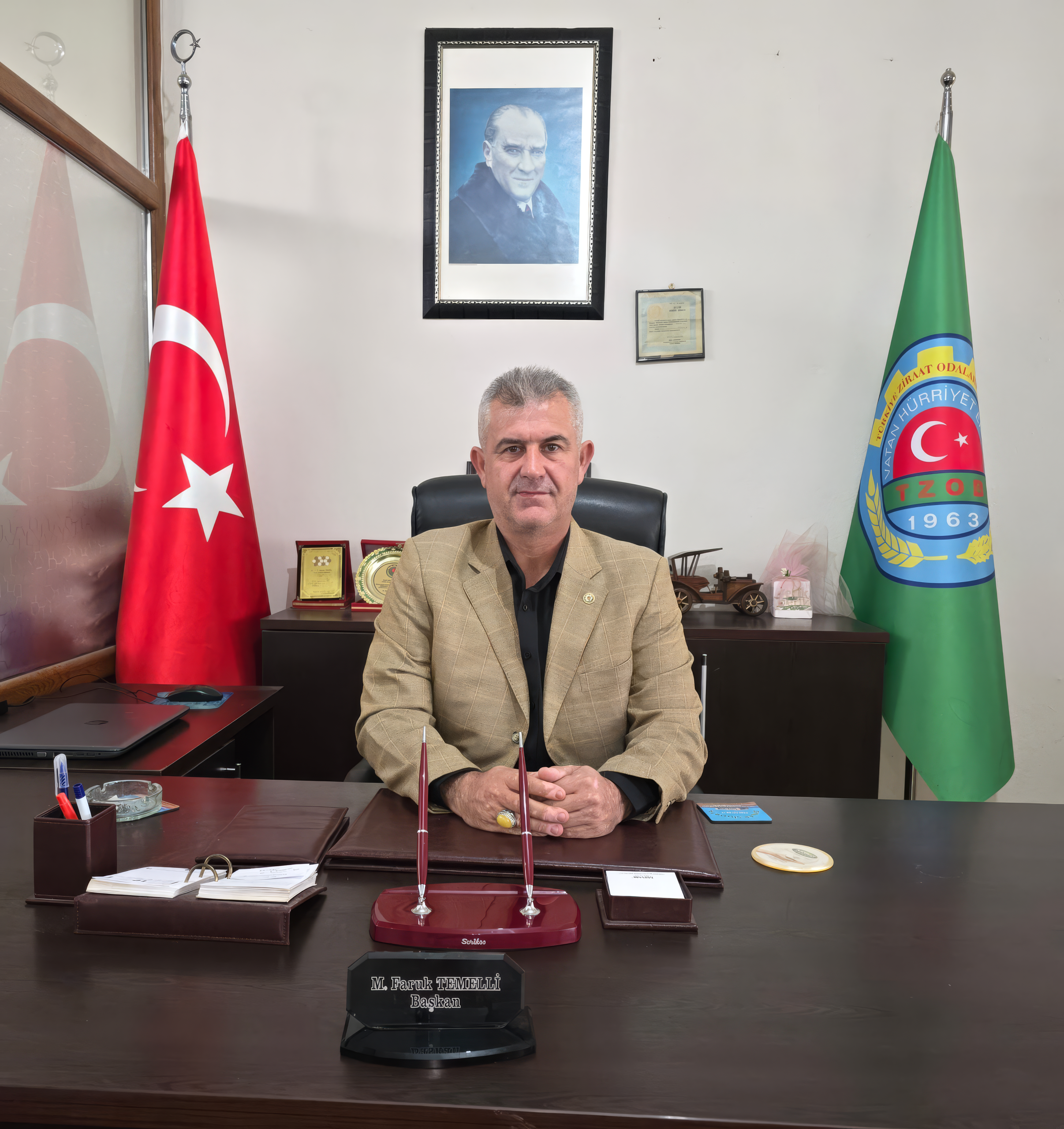
Derik, Mardin’in verimli topraklarında uzun yıllardır yetiştirilen ve kendine özgü lezzetiyle öne çıkan Derik Nohutu, yöresel mutfağın vazgeçilmezlerinden. Ancak, iklim değişikliği, çiftçinin ekonomik durumu ve genç nüfusun tarımdan uzaklaşması gibi sebeplerle bu değerli ürünün ekim alanları giderek daralıyor.
Derik Ziraat Odası Başkanı Mehmet Faruk Temelli, “Özellikle coğrafi işaretli ürünlerin ekimi noktasında özel destek ve teşvikler sağlanırsa, Derik Nohutu gibi coğrafi işaretli ürünlerin üretimi sürdürülebilir olacaktır” diyerek, yerel ürünlerin kaybolmaması için devlet desteğinin önemine dikkat çekiyor. Atadan beri üretilen Mardin’in siyah nohutu, Derik Nohutu’nu tanıdığımız bu röportajda; coğrafi işaretli ürünlerin korunması ve desteklenmesinin önemine de vurgu yapıyoruz.
Keyif almanızı, öğrenmenizi ve farkındalığınızın artmasını dileriz.
Röportajımız başlıyor.
- Öncelikle sizi tanıyabilir miyiz?
Ben Mehmet Faruk Temelli, Derik Ziraat Odası Başkanıyım. Uzun yıllardır bölgemizin tarımsal üretim potansiyelini geliştirmek için çalışıyorum. Özellikle Derik Nohutu gibi yöremize özgü ürünlerin korunması, tanıtılması ve geleceğe aktarılması en büyük önceliğimizdir.
- Derik Nohutu’nun diğer nohut türlerinden ayıran en belirgin özellikleri nelerdir?
Derik nohutu iri taneli, yuvarlak ve dolgun yapısıyla diğer nohut çeşitlerinden ayrılır. Kabuk yapısının daha ince olması nedeniyle kolayca haşlanır ve tüketiciye pratiklik sağlar. Kendine özgü aroması vardır; piştiğinde daha yumuşak bir dokuya sahip olur, dağılmadan kalır ve yemeklik kalitesi oldukça yüksektir.
- Tüketici açısından lezzet, pişme kolaylığı ve besin değeri açısından avantajları nelerdir?
Lezzet bakımından daha yoğun ve doğal bir tat sunar. Nohut yemeklerinde, humusta ve salatalarda dolgun ve keyifli bir ağız hissi verir. Pişme süresi kısadır, kabuğu ağızda sertlik bırakmaz. Dağılmadan piştiği için hem yemeklerde hem de kavrulmuş nohut gibi atıştırmalıklarda rahatlıkla kullanılabilir.
Besin değerine baktığımızda; %20–25 oranında protein içerir, lif açısından zengindir, sindirim sistemine fayda sağlar. Ayrıca demir, magnezyum, çinko ve B vitaminleri bakımından oldukça zengindir. Bu nedenle özellikle vejetaryen ve vegan beslenmede önemli bir bitkisel protein kaynağıdır.
- Derik Nohutu’nun geleneksel olarak hangi yemeklerde kullanıldığını anlatabilir misiniz?
Nohut yemeği başta olmak üzere, humus ve salata gibi farklı kullanım alanları vardır. Yörede kavrulmuş nohut olarak da tüketilir. Geleneksel sofralarda Derik nohutu hem lezzeti hem de doyuruculuğu ile önemli bir yer tutar.
- Derik’in toprak ve iklim özellikleri bu nohuda nasıl bir karakter kazandırıyor?
Derik yarı kurak, yazları sıcak ve kurak, kışları ise ılıman bir iklime sahiptir. Nohut, kuraklığa dayanıklı olduğundan bu koşullarda oldukça iyi uyum sağlar. Gündüz ve gece arasındaki ısı farkı nohudun aromatik yapısını güçlendirir. Topraklarımız kireçli, kumlu-tınlı ve geçirgen yapıdadır. Bu da nohudun kök gelişimini destekler, kabuğunun ince, tanelerinin iri olmasını sağlar.
- Bölge ekolojisi ürünün dayanıklılığı ve kalitesi açısından yeterli mi?
Kesinlikle evet. Derik’in rakımı (700–1.100 metre), iklimi ve toprak yapısı nohudun hem verim hem de kalite açısından eşsiz bir denge yakalamasını sağlıyor. Ayrıca bölgedeki çiftçiler uzun yıllardır geleneksel yöntemlerle aynı alanlarda ekim yaparak bu ürünün yerel genetik özelliğini koruyor.
- Son dönemde Derik Nohutu ekim alanlarının azalmasının başlıca nedenleri nelerdir?
Ekonomik açıdan buğday, mercimek, pamuk gibi ürünler daha kârlı görüldüğü için çiftçiler nohuttan uzaklaşıyor. Tohum, işçilik ve sulama maliyetleri artarken nohudun satış fiyatı aynı hızda yükselmiyor. Pazarlama sorunları da üreticiyi caydırıyor.
Buna ek olarak; iklim değişikliği nedeniyle yağış düzensizlikleri ve yüksek sıcaklıklar verim kaybına neden oluyor. Hastalıklar ve zararlılar da ciddi sorun oluşturuyor.
- Çiftçilerin başka ürünlere yönelmesini tetikleyen faktörler nelerdir?
Özellikle devlet destekleri daha çok buğday, pamuk gibi ürünlere yöneldiği için çiftçi desteklerden yeterince yararlanamıyor. Mazot ve gübre desteği alsalar da, nohut için özel prim desteği yetersiz kalıyor. Ayrıca kırsaldan şehirlere göç nedeniyle işgücü azalıyor, tarımı sürdürecek genç nüfusun olmaması da bu yönelimi hızlandırıyor.
- Devlet destekleri bu ürünü üretmeye devam etmeleri için yeterli mi?
Şu an yeterli değil. Çiftçilerimiz genel tarımsal desteklerden faydalansa da, Derik nohudu gibi yerel ürünlere özel destekler artırılmalı. Böylece hem çiftçi emeğinin karşılığını alır hem de bu değerli ürünün geleceği garanti altına alınır.
- Nohut ekimi ve hasadı hangi dönemde gerçekleşiyor?
Ekim genellikle ilkbaharda yapılır, yaz aylarında hasat edilir. Çoğunlukla kuru tarım koşullarında yetiştirilir.
- Üretim sürecinde çiftçiler hangi zorluklarla karşılaşıyor?
Kuraklık, yağış düzensizlikleri ve hastalıklar üretimi olumsuz etkiliyor. Ayrıca tohumluk sorunu da önemli bir mesele; yerel Derik nohudu tohumu yeterince yaygınlaştırılamadığı için çiftçiler farklı çeşitlere yönelmek zorunda kalıyor. Bu da orijinal genetik özelliği tehdit ediyor.
- Sizce Derik Nohutu’nun üretimi sürdürülebilir mi?
Evet, doğru planlama ve desteklerle sürdürülebilir. Yerel tohumların korunması, çiftçiye dağıtılması, ürün rotasyonuna dahil edilmesi ve kooperatifleşmenin teşvik edilmesi gerekiyor. Ayrıca katma değerli ürünlere (nohut unu, kavrulmuş nohut vb.) yönelmek hem üreticiye hem bölgeye büyük kazanç sağlar.
- Bu değerli ürünü genç nesillere aktarmak için ne tür çalışmalar yapılmalı?
Gençlere tarımın yalnızca geçim kaynağı değil, aynı zamanda kültürel miras olduğunu anlatmamız gerekiyor. Eğitim ve bilinçlendirme programları, modern tarım tekniklerinin öğretilmesi ve genç çiftçilere yönelik teşvikler bu noktada büyük önem taşıyor.
- Mardin’in diğer coğrafi işaretli veya yöresel ürünleri nelerdir? Bunlar da üreticiler için ekonomik ve kültürel değer sağlıyor mu?
Mardin sadece Derik nohuduyla değil; üzümleri, zeytini, bademi, peyniri gibi birçok yöresel ürünle de tanınıyor. Bu ürünlerin her biri hem ekonomik açıdan hem de kültürel kimlik açısından üreticiler için değer taşıyor. Bizim görevimiz bu ürünleri markalaştırmak, coğrafi işaretle güvence altına almak ve gelecek kuşaklara aktarmaktır.
“The Golden Grains of Mardin: Derik Chickpeas Must Be Preserved”
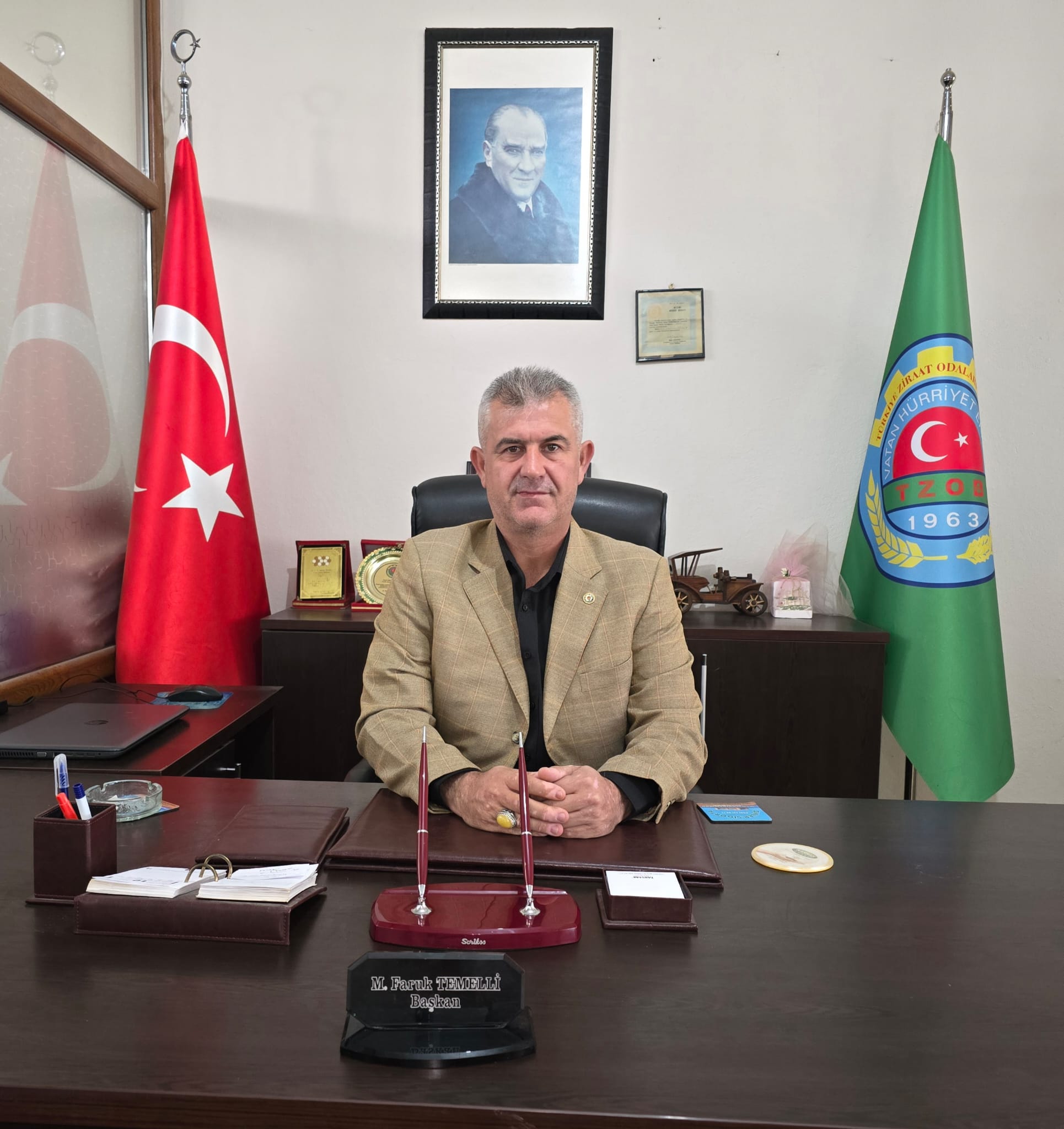
Cultivated for generations in the fertile soils of Mardin, Derik Chickpeas stand out with their distinctive flavor and have long been a staple of the local cuisine. However, due to factors such as climate change, farmers’ economic challenges, and the younger generation’s growing distance from agriculture, the cultivation area of this valuable crop is gradually shrinking.
Mehmet Faruk Temelli, President of the Derik Chamber of Agriculture, highlights the importance of public support in preserving local crops: “If special support and incentives are provided particularly for geographically indicated products, the cultivation of products like Derik Chickpeas can be made sustainable,” he says. In this interview, where we get to know the black chickpeas of Mardin, the Derik Chickpeas, we also emphasize the importance of protecting and supporting geographically indicated products.
We hope this conversation helps you enjoy, learn, and build awareness about this local treasure.
Let’s start with your story, could you tell us a bit about yourself?
I am Mehmet Faruk Temelli, President of the Derik Chamber of Agriculture. For many years, I have been working to strengthen our region’s agricultural production potential. Our top priority is to protect, promote, and pass on local products such as Derik Chickpeas to future generations.
What are the main features that distinguish Derik Chickpeas from other chickpea varieties?
Derik Chickpeas stand out with their large, round, and plump grains. Their thin skin makes them easy to cook and convenient for consumers. They have a distinctive flavor, a soft texture when cooked, retain their shape during cooking, and offer excellent culinary quality.
What are the advantages of Derik chickpeas for consumers in terms of flavor, ease of cooking, and nutritional value?
They offer a richer and more natural flavor. In chickpea dishes, hummus, and salads, they provide a full-bodied and satisfying mouthfeel. Cooking time is short, and their skins do not leave a rough texture. Because they hold their shape when cooked, they can be used both in meals and as roasted chickpea snacks.
Nutritionally, Derik chickpeas contain 20–25% protein, are high in fiber, and support digestive health. They are also rich in iron, magnesium, zinc, and B vitamins, making them an important plant-based protein source, particularly for vegetarian and vegan diets.
In which traditional dishes are Derik Chickpeas most commonly used?
They are mainly used in traditional chickpea stews but also in hummus and salads. In the region, they are often consumed as roasted chickpeas. On traditional tables, Derik Chickpeas hold an important place both for their flavor and their nutritional value.
How do Derik’s soil and climate characteristics shape the quality of these chickpeas?
Derik has a semi-arid climate, hot and dry in summer, mild in winter. Since chickpeas are drought-tolerant, they adapt very well to these conditions. The temperature difference between day and night enhances their aroma. The soil is calcareous, sandy-loamy, and well-drained, supporting strong root development and resulting in large grains with thin skins
Is the regional ecology sufficient in terms of durability and quality?
Absolutely. The altitude (700–1,100 meters), climate, and soil structure of Derik create a perfect balance between yield and quality. Local farmers have been planting in the same lands for generations using traditional methods, preserving the unique genetic traits of the crop.
What are the main reasons behind the decline in Derik Chickpeas cultivation in recent years?
Economically, crops like wheat, lentils, and cotton are seen as more profitable, so farmers tend to move away from chickpeas. Rising costs of seeds, labor, and irrigation are not matched by selling prices. Marketing challenges also discourage producers.
Additionally, irregular rainfall and high temperatures caused by climate change reduce yields. Crop diseases and pests pose further challenges
What factors trigger farmers to turn to other crops?
Government subsidies are mostly directed towards crops like wheat and cotton, so farmers cannot fully benefit from support programs. Although they receive fuel and fertilizer subsidies, the special premium support for chickpeas remains insufficient. In addition, migration from rural areas to cities reduces the available workforce, and the lack of young people to continue farming accelerates this shift.
Are current government supports sufficient to sustain Derik Chickpeas production?
Not at the moment. While farmers benefit from general agricultural support, targeted incentives for local products like Derik Chickpeas should be increased. This would ensure both fair compensation for farmers and the protection of this valuable crop’s future.
When does the cultivation and harvest of chickpeas take place?
Planting usually begins in spring, and harvest occurs in summer. The crop is mostly grown under dry farming conditions.
What are the main challenges farmers face during production?
Drought, irregular rainfall, and diseases negatively affect production. Another issue is the seed supply, local Derik Chickpeas seeds are not widely distributed, so farmers often resort to other varieties, which threatens the crop’s genetic authenticity.
Do you think the production of Derik Chickpeas is sustainable?
Yes, it can be sustainable with proper planning and support. Protecting and distributing local seeds, integrating them into crop rotation, and encouraging cooperatives are essential steps. Moreover, developing value-added products such as chickpea flour or roasted chickpeas would greatly benefit both producers and the region’s economy.
What kind of initiatives should be taken to pass this valuable crop on to younger generations?
It’s essential to help young people understand that farming is not merely a source of income, but also a reflection of our cultural heritage. Training and awareness programs, the introduction of modern agricultural practices, and incentives aimed at young farmers are key to achieving this goal.
What other geographically indicated or local products is Mardin known for? Do they also provide economic and cultural value for producers?
Mardin is known not only for its Derik chickpeas but also for its local products such as grapes, olives, almonds, and cheese. Each of these carries both economic and cultural value for the producers. Our mission is to build strong brands around these products, protect them through geographical indication, and pass them on to future generations.